
I love these wreaths. I have been buying them for years from another online retailer but they did not stock them this year. So happy to find them at the mill. They are the perfect gift for all the little old ladies in my life!
Efficiently delivered. Correct order. Easy checkout.
Wonderful logs, service, and delivery!
Horse likes it, I don't like the molasses in it. It freezes and is hard to scoop out in the cold.
Love your store. Fast shipping too.
Perfect for the nest. Thank you
best bird food ever.
Reasonable price, fast shipping, great communication!
Heavily overseeded in September '25 with the 3-Way Tall Fescue. Applied The Mill's starter fertilizer a week after seeding. A month later and the results speak for themselves.
BEST lotion! I cant get this anywhere near me. I looked online and found the Mill carries it so even though its expensive with shipping costs, its so worth it. It says hand lotion but I use this on my feet (I live in flip flops) and it is literally the BEST!
My goats love this feed. It’s produced locally. The Calcium:Phosphorus ratio is optimal for preventing urinary calculi. The price is reasonable.
I switched my Nankin bantams to this feed and they're doing great. They actually consume less of it so a bag lasts a long time. Less mess than crumble, too.
Absolutely enjoyable. Loved all the lectures, especially Cindy's -- she is a joy. Food was great. Venue was beautiful. Door prizes were fun. Awaiting the next program!
does an excellent job ==lawn green all year
My ducks love it and they are all beautiful and healthy.
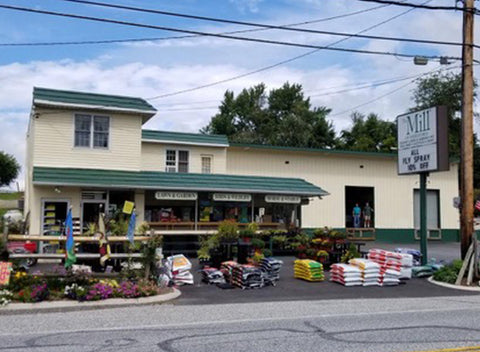
Local family-owned feed and farm supply store offering extensive product selection for pets, livestock, birds, and gardening. Praised for exceptional customer service, helpful knowledgeable staff, competitive pricing, and convenient delivery options. Customers...