
Summer vs. Fall Bird Feeding: What to Change in Your Feeder and Why
A backyard feeder that performs beautifully in July does not necessarily perform the same way in October. Bird activity, species composition, and nutritional needs all shift as the seasons turn, and a feeder setup that does not adjust along with them will draw fewer birds and waste more food than necessary.
This guide walks through exactly what changes between summer and fall feeding, and the reasons behind each adjustment, so any backyard birder in Maryland can keep their feeder relevant and effective through the transition.
Why Bird Needs Change With the Season
Birds adjust their behavior and diet throughout the year based on what is biologically useful to them at the time. In summer, many species are raising young, which means insect protein takes priority over seed for a large portion of the population, even among birds that are primarily seed eaters as adults. Energy needs are also spread out, since warm weather and abundant natural food sources reduce the urgency around any single feeder visit.
As fall approaches, the priorities shift. Migration is underway for many species, and the birds preparing to travel need to build fat reserves quickly. Species that stay through the winter, including chickadees, titmice, nuthatches, and woodpeckers, begin focusing more heavily on calorie-dense foods that will help carry them through shorter days and colder nights. Natural food sources like insects also decline sharply as temperatures drop, making feeders a more significant part of the overall food supply.
Understanding this shift is the foundation for knowing what to change at the feeder station itself.
Seed: Shifting From Variety to Calorie Density
Summer feeding can support a wider variety of seed types because the bird population visiting feeders is more diverse and less singularly focused on fat and calories. The Mill Chesapeake Blend and similar mixed blends work well through the warmer months, offering something for finches, sparrows, cardinals, and other species moving through the yard.
As fall arrives, black oil sunflower becomes an increasingly important anchor in the feeder. Black Oil Sunflower Bird Seed has a higher fat content relative to its shell weight compared to striped sunflower, making it more efficient for birds building energy reserves.
Whole Shelled Corn and Cracked Corn Medium/Coarse are both useful additions to a fall feeding station, especially when scattered on the ground or offered in a platform feeder.
Nyjer and thistle seed, which attract goldfinches consistently throughout the year, become especially important in fall as goldfinches molt into their duller winter plumage and rely more heavily on feeders as natural seed sources decline. Thistle Seed Wild Bird Feed, The Mill Outdoor Finch, and Birds Luv ‘Em Finch Treat Seed are worth adding or restocking as the season turns.
White millet, a favorite of ground-feeding species like sparrows and juncos that become more common at feeders in fall and winter, is another seed worth introducing if it was not part of the summer lineup. White Millet Bird Seed performs well scattered on the ground or in a low platform feeder.
Suet: From Optional to Essential
Suet is useful in summer but genuinely essential in fall and winter. The shift is significant enough that it deserves its own section.
In summer, suet can soften and spoil more quickly in the heat, so many birders either reduce suet offerings or choose no-melt formulations during the hottest stretches. As temperatures drop in fall, that concern disappears, and suet becomes one of the most valuable foods at the entire feeder station.
Suet Plus Woodpecker Blend and Peanut Butter Suet Cake are both excellent choices to introduce or increase as fall progresses. The concentrated fat content gives woodpeckers, nuthatches, chickadees, and wrens the energy density they need as insect availability drops and overnight temperatures fall. A feeder that offered suet sparingly in July should be stocked consistently by October.
Hummingbird Feeders: Knowing When to Take Them Down
Ruby-Throated Hummingbirds are present from late April through early October, with peak activity running from May through September, and a few stragglers being seen in late October through November.
As fall approaches, feeders should remain up through early October even as activity slows, since migrating hummingbirds from farther north continue passing through the region and rely on feeders along the way. Leaving a feeder up does not delay migration, since departure is triggered by day length rather than food availability.
Once two full weeks pass with no hummingbird activity, typically in mid-October, feeders can be cleaned thoroughly and stored for the winter. Hummer's Galore Hummingbird Nectar and similar nectar products are a summer-only and early fall purchase, and there is no need to maintain hummingbird feeders through fall and winter in this region.
Peanuts: A Year-Round Favorite That Gains Importance in Fall
Peanuts are popular with jays, woodpeckers, nuthatches, and chickadees throughout the year, but they take on added importance in fall as these species begin caching food for winter. Blue Jays in particular are active fall hoarders, carrying peanuts and acorns to buried or hidden storage locations they will rely on through the colder months.
Peanut Splits for Wild Birds work well year-round, but increasing the quantity offered in fall supports this natural caching behavior and keeps jays and woodpeckers visiting consistently as the season changes.
Feeder Placement and Maintenance Through the Transition
A few practical adjustments to feeder placement and maintenance routines matter as summer turns to fall.
Cleaning frequency can often be reduced slightly as cooler temperatures slow bacterial and mold growth compared to peak summer heat, though feeders should still be cleaned regularly throughout the year. Water sources, however, become more important in fall as natural water sources can become less reliable, so maintaining a clean bird bath through the transition continues to draw a wide range of species.
Feeder placement near shrubs and evergreens becomes increasingly valuable in fall as birds rely more heavily on quick cover from predators and weather while moving between natural food sources and the feeder. If a feeder was placed in a more open part of the yard for summer visibility, fall is a good time to consider relocating it closer to protective cover.
A Simple Fall Feeder Checklist
For anyone transitioning a feeder station from summer to fall, the following changes summarize what to prioritize:
-
Increase or introduce suet offerings as temperatures cool
-
Shift toward black oil sunflower and sunflower chips as primary seed
-
Add or restock thistle seed for goldfinches and white millet for ground feeders
-
Increase peanut quantities to support fall caching behavior
-
Plan to remove hummingbird feeders after two weeks without activity, typically by mid-October
-
Consider relocating feeders closer to protective shrubs or evergreens
Shop Seasonal Bird Feeding Supplies at The Mill
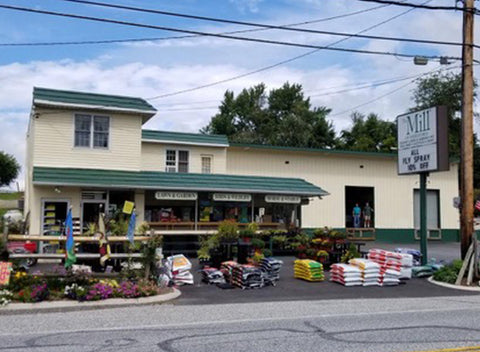
The Mill carries everything needed to make this seasonal transition smooth, from sunflower and suet to corn, millet, and thistle, across all store locations. Whether adjusting an existing feeder station or planning ahead for the fall shift, the team at The Mill is happy to help match products to the season and the birds visiting any particular yard.
Shop wild bird seed and suet and mealworms at themillstores.com, or stop in at any Mill location and speak with a wild bird specialist directly. Find your nearest store at The Mill's store locator.