
A lot of gardeners assume that once July hits, the planting window is closed. That is not the case. With the right crops and a little attention to timing, July is actually a great month to plant for a fall harvest, and succession planting can keep your garden productive well past the point most people give up on it.
Why July Planting Still Works
The key is understanding your first frost date, which typically falls in mid to late October across most of Maryland and Pennsylvania. Once you know that, you can count backward using a crop's days-to-maturity to figure out your last realistic planting date. Many fast-maturing summer crops still have plenty of time to produce, and cool-season crops actually prefer the milder temperatures and shorter days of fall over the heat of midsummer. If you started cold crops back in spring, the same logic applies in reverse now, just check out our guide on cold crops and their growing windows for reference.
What You Can Still Plant
For a second round of warm-season vegetables, bush beans, summer squash, and cucumbers are all quick enough to mature before frost if you get them in by mid-July. These often outperform their spring counterparts since they avoid some of the pest and disease pressure that builds up earlier in the season.
For fall harvest crops, this is the time to start lettuce, spinach, kale, broccoli, carrots, beets, and other cool-season vegetables. You will find a full range of options in our vegetable seed selection. Many of these actually improve in flavor after a light frost, which makes fall plantings some of the most rewarding of the year.
Tips for Success
Getting seeds to germinate in July heat takes a bit more effort than spring planting. Keep the soil consistently moist, since summer sun dries out seed beds quickly, and consider a light mulch or shade cloth to help young seedlings get established before the weather cools. If you need a refresher on prepping beds between plantings, our post on preparing garden beds covers the same fundamentals that apply here. Direct sowing works well for root crops like carrots and beets, while starting broccoli and other transplants indoors or in a shaded spot first can give them a stronger start.
Feeding your soil matters just as much now as it did in spring. A quick side dressing of fertilizer when you plant can help these fast-growing crops keep pace before the days start getting shorter, and our post on small changes that make a big impact on your soil has more on building healthy soil over time. For watering questions specific to new seedlings versus established plants, see our guide on how to water plants correctly.
Keep the Season Going
Succession planting is really about not letting any bed sit empty longer than it needs to. As soon as one crop finishes, there is almost always something else that can go in behind it.
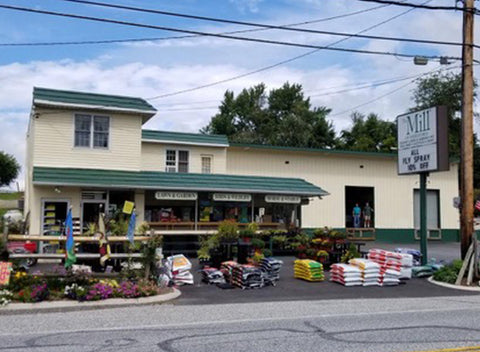
If you are not sure what will still have time to mature where you are, stop by and talk with our garden team, or take advantage of our garden consultation services. We can help you figure out what fits your space and your timeline for a strong fall harvest.