
Start the Season Early with Cold Crops
April is one of the most productive months in the garden, and it arrives before many homeowners think to start planting. Cool-season vegetables thrive in the conditions April provides: lower soil temperatures, moderate rainfall, and the kind of mild weather that warm-season crops cannot yet handle.
Getting familiar with which crops belong in the ground this time of year allows gardeners to extend the growing season, produce an early harvest, and make full use of spring before summer heat arrives. Peas, kale, broccoli, and lettuce are among the best options for April planting and can be in the ground sooner than most people expect.
Soil Temperature and Frost Tolerance
Cold crops are not simply plants that can survive cooler weather. They are genuinely designed for it. Understanding the soil temperature thresholds for each crop helps take the guesswork out of timing.
Most cool-season vegetables begin to germinate within these ranges:
Light frost is generally not a concern for these crops, and some, like kale, actually develop better flavor after exposure to cold. The one condition to avoid is soil that is still waterlogged from winter. Working or planting in overly wet soil leads to compaction and poor root development regardless of the crop.
A simple squeeze test works well here. If a handful of soil crumbles apart, it is ready to work. If it holds together in a dense clump, it needs more time.
Seed Starting vs. Direct Sowing
Not every cold crop handles transplanting the same way and choosing the right approach for each one makes a difference in early performance.
Direct sowing works best for peas and lettuce. Both crops prefer minimal root disturbance and germinate reliably in cool soil. Sowing directly into a prepared bed is the most straightforward approach and typically produces strong results.
Starting indoors is a better option for broccoli and kale when an earlier harvest is the goal. Starting these crops inside a few weeks before the last expected frost allows them to develop into stronger transplants before going into the ground.
Either method can be effective. Using quality seeds, following recommended planting depths, and giving plants adequate spacing will improve outcomes regardless of the approach.
Growing Peas, Kale, Broccoli, and Lettuce Successfully
Each of these crops has slightly different needs, but all respond well to properly prepared soil and consistent care.
Peas prefer well-drained soil and benefit from a trellis or stake for support as they climb. Plant them early, as they lose productivity once temperatures begin to climb in late spring.
Kale is one of the most cold-tolerant vegetables available and can be harvested multiple times throughout the season. It performs best in nutrient-rich soil with consistent moisture and actually improves in flavor after a frost.
Broccoli requires fertile soil and steady growing conditions. Starting seeds indoors and transplanting establishes a stronger root system before the plant goes into the garden, which tends to improve early development.
Lettuce grows quickly and is well suited for succession planting. Putting in a small amount every two weeks rather than all at once extends the harvest window significantly and prevents an oversupply at any one time.
Watering Tips for Early Spring Gardens
Spring rainfall often handles much of the watering during April, but it is still worth monitoring soil moisture regularly. Cool temperatures cause soil to hold moisture longer than it would in summer, which means overwatering is as much a risk as underwatering.
A few practical guidelines for early spring watering:
-
Keep soil consistently moist but never saturated
-
Water lightly and regularly during germination rather than deeply and infrequently
-
Water earlier in the day to reduce the risk of fungal disease
-
Check soil moisture before watering rather than following a fixed schedule
Young seedlings are especially sensitive to drying out during establishment. Once plants are more mature, they become more forgiving, but consistent moisture in the early weeks sets the stage for stronger growth.
Common Mistakes to Avoid with Cold Crops
Cool-season vegetables are generally forgiving, but a few missteps can limit results even with well-chosen crops.
Planting too late. Waiting until May or later exposes cool-season crops to heat stress before they have a chance to mature. April planting takes full advantage of the conditions these crops prefer.
Overwatering. Cool soil retains moisture longer than warm soil. Watering on a schedule without checking conditions first can lead to root problems.
Skipping soil preparation. Even hardy cold crops benefit from loose, amended soil. Adding compost before planting improves drainage, nutrient availability, and overall early growth.
Planting everything at once. A single planting of lettuce or peas produces one harvest window. Staggering plantings every one to two weeks keeps production going longer into the season.
Start Your Spring Garden with Confidence
April planting is one of the simplest ways to get more out of the growing season. Cold crops establish quickly, require minimal coddling, and produce real harvests before the heat of summer arrives.
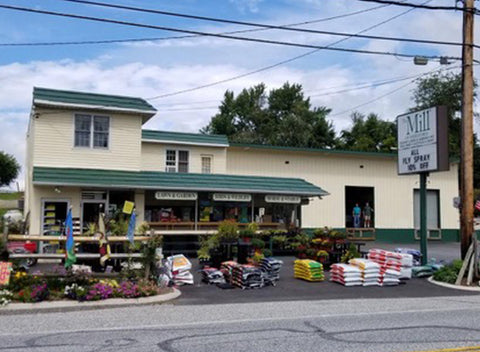
The Mill carries a wide selection of vegetable seeds, garden tools, and seasonal resources to help gardeners plan and plant with confidence. Visit any local The Mill store to explore seeds, supplies, and expert advice tailored to the spring season.