
Why Bulbs Matter to Pollinators
Gardener’s rarely think of the benefits of planting bulbs for native bees and honeybees, but they should. Bulbs provide the earliest pollen and nectar. Bees begin to forage if the temperature reaches 55°F and as winter weather warms you will find bees foraging all winter. Early flowering bulbs come as true bulbs, corms, rhizomes, or tubers.
Bulbs that provide for the bees are not the more ornamental double and triples that we prefer but the more old- fashioned bulbs that have developed along with the bees of your area. Hybridization of bulbs changes the structure and can limit access to the pollen and nectar. Each bee requires a specific type of flower on which to feed.
Best Flower Bulbs for Pollinators
The following bulbs are among the most beneficial for pollinators:
Crocus
Crocus bulbs bloom early in spring, often emerging through melting snow. Their purple, yellow, or white flowers offer essential nectar for bees emerging from winter dormancy.
-
Plant in fall for early spring color
-
Great in lawns, borders, and containers
-
Attracts bees and small pollinators
Grape Hyacinth (Muscari)
Grape hyacinths produce clusters of small, fragrant blooms that bees adore. The abundant flowers fill gaps in early spring when nectar is scarce.
-
Reliable perennial bulbs
-
Easy to naturalize
-
Performs well in sun or part shade
Daffodils
Daffodils brighten the spring garden and support pollinators with early blossoms. While deer and rodents tend to avoid daffodils, bees and other pollinators visit them for nectar and pollen.
-
Available in many sizes and colors
-
Works well in beds, borders, and naturalized plantings
Tulips
Certain single-flowered tulip varieties are especially pollinator-friendly. These early blooms provide colorful forage for bees and butterflies.
-
Plant in fall about 6–8 inches deep
-
Choose single (not double) blooms for easier pollinator access
-
Pair with early perennials for extended bloom
Alliums
Alliums, including ornamental onions and garlic chives, produce globe-shaped flowers rich in nectar. Butterflies and bees are frequent visitors.
-
Excellent architectural interest in the garden
-
Long-lasting blooms
-
Great for cutting gardens
Crocus & Allium Combos
Planting crocus with alliums and spring bulbs ensures a continuous food source as the season progresses. Early crocus blooms are followed by mid-spring alliums and later bulbs, creating a pollinator-friendly sequence.
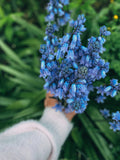
The earliest bulbs that provide for our pollinators are Scilla or Siberian Squill a small blue flowering bulb that prefers well drained in full to part sun. This bulb is from Europe where beekeepers plant them in mass around their hives.
Snowdrops or Galanthus, are hardy zones 3-9 and bloom in February with a white hanging bell shaped flower with green on the edge.

Native bumble bees and other larger bees can push into the flower and retrieve nectar and pollen. Plant in full to part shade three inches apart and three inches deep. Moist soil during the growing season will allow them to colonize.
Winter aconite or Eranthis grows natively in woodlands of Europe and in harsh years blooms under the snow. Bees love this bright yellow flower in the Buttercup family. Hardy zones 3-9. Looks great in large numbers and will re-seed.
Chionodoxa forbesii or Glory of the Snow blooms in a raceme of 6-10 violet blue star shaped flowers. Hardy zone 2-9 and grows in full sun to part shade. Native to western Turkey this plant provides both nectar and pollen to pollinators. Tolerates deer gazing and growing under a black walnut.
How to Plant Bulbs for Pollinators
-
Plant in fall before the ground freezes.
-
Choose a sunny location with well-drained soil.
-
Mix in bulb fertilizer at planting time to support strong blooms and root development.
-
Space bulbs according to package directions for optimal bloom display and airflow.
-
Plant in drifts or clusters — aesthetics and pollinators both benefit.
Extend the Bloom Season
To extend the season of nectar and pollen availability:
-
Use bulbs with staggered bloom times (early to mid to late spring).
-
Include perennials and shrubs that bloom after bulbs fade.
-
Avoid over-cleaning beds in late fall — leaving foliage and seedheads can provide habitat and food sources.
Pollinator Habitat Beyond Bulbs
Planting bulbs is just one part of supporting pollinators. Providing a diverse mix of plants, shelter, and water will further enhance habitat:
-
Leave brush or undisturbed areas for native bees to nest
-
Provide shallow water sources or birdbaths
-
Choose plants that offer continuous bloom from early spring through fall
The Mill’s Top Picks for Pollinator Bulbs
Consider including these available bulb categories in your pollinator garden plan:
-
Spring Blooming Bulbs — early food sources
-
Pollinator-Friendly Perennials — mid to late season blooms
-
Bulb Planting Mix & Fertilizers — for stronger blooms and healthier bulbs
Why Gardeners Love Pollinator Bulbs
Bulbs aren’t just functional, they’re beautiful. Early blooms add color and life to gardens coming out of winter dormancy, and they act as critical food sources for bees and butterflies at a time when little else is available. With thoughtful planting and care, pollinator-friendly bulbs can transform a lawn or landscape into a vibrant habitat that benefits people and wildlife alike.
Final Tip
For best results, plan your landscape with succession in mind; combine bulbs with other pollinator-friendly plants to provide food sources throughout the growing season.