
Wheat Harvest Wraps Up in Maryland as Double Crop Soybeans Hit the Ground
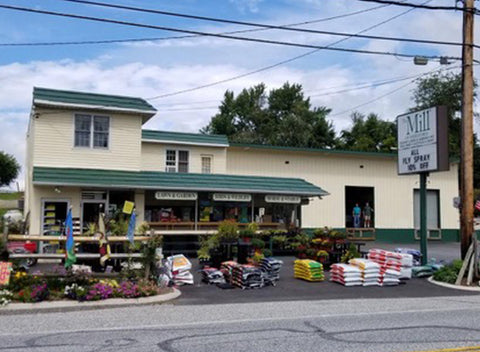
Certified Crop Advisor Ben Hushon with The Mill joined Market Day Report this week from White Hall, Maryland with a field report that growers across the Mid-Atlantic have been waiting months to deliver. Wheat harvest is done. Double crop soybeans are in the ground. And with a small but timely rain event and the combination of heat already in the soil, those beans are off and running.
Wheat Harvest Came Fast and Hot
Anyone who has raised wheat in Maryland knows the pattern. Look at the late June and early July forecast, find the hottest stretch of days in the outlook, and that is almost certainly when combines will be rolling and straw will be flying out the back. Last week proved the rule once again.
Thermometer temperatures in the White Hall community reached 98 to 102 degrees across multiple days during harvest week. Ben was clear that these were thermometer readings, not ambient field temperatures, but the heat index on operators and equipment was significant. Despite those conditions, growers pushed through and got the wheat cut.
The crop responded to the heat in exactly the way wheat does at maturity. What was too wet to harvest at the start of the week dried down to 12 to 13 percent moisture practically overnight, the target range for safe grain storage and efficient combining. That rapid transition from borderline to harvest-ready is one of the most familiar and welcome phenomena of the small grain season in the Mid-Atlantic.
Straw Demand Was Immediate and Strong
As soon as wheat came off in this community, straw demand filled in right behind it. Ben noted that the White Hall area specifically generates consistent and strong straw demand due to the volume of residential construction activity visible throughout the region. A search of the area on Google Earth, as Ben put it, shows the density of houses and ongoing development that creates a reliable market for straw used in erosion control, landscaping, and construction site stabilization.
Baling crews were out by Monday of harvest week, working through the straw at the same aggressive pace that combines had just run through the grain. For growers who manage wheat as a dual-purpose crop for both grain revenue and straw sales, last week's conditions delivered on both fronts.
Double Crop Soybeans Went In During the Heat
The third element of last week's activity is the one with the most agronomic runway remaining: double crop soybeans. In this community, planting soybeans immediately after wheat harvest is an established practice, and growers did not wait for cooler conditions before getting seed in the ground.
Ben described the planting activity as aggressive, happening at the same 98 to 102 degree thermometer temperatures that were running during wheat harvest. That is not unusual for experienced double crop operators in the Mid-Atlantic. Soil moisture and seed-to-soil contact matter more for germination than air temperature alone, and growers who move quickly after wheat harvest capture the most growing season possible for a crop that will need every available day before fall frost.
Those soybeans, planted just one week before Ben's appearance, are already out of the ground. A three-tenths of an inch rain event that moved through the area provided the soil moisture needed to activate germination, and the combination of that moisture and the residual heat in the soil pushed emergence quickly. As Ben put it, they are off and running.
When Will Those Double Crop Soybeans Be Harvested?
The host asked the question that any grower still finishing wheat harvest and eyeing their next steps would be thinking about. Ben's answer provides useful context for understanding how double crop soybeans fit into the broader fall harvest calendar.
Harvest timing for double crop soybeans planted in early July is typically late October to early November. That window falls after corn harvest and full season soybean harvest have been completed for the most part, meaning double crop acres generally get their turn last. For growers watching fields that still have green soybeans standing in November while the rest of harvest is winding down, Ben noted those are often the double crop fields that went in where wheat was still coming off in the spring of 2026.
The economics of double cropping depend on capturing that full growing season, and the window is now open for this year's crop.
Commodity Markets Show Broad Strength Heading Into Midsummer
The market backdrop heading into midsummer is broadly favorable across major row crops. Corn September contracts are trading at $4.37, up 14.5 cents on the day, with December at $4.57, up 15.5 cents. Soybeans are sharply higher with the November contract at $11.90, up 42.25 cents. Wheat has gained 21 percent year to date in 2026, with the September Chicago contract at $6.11, up 11.5 cents, and hard red Kansas City September at $6.45, up 6.5 cents.
For growers who just delivered wheat at harvest and are now watching the market move higher, the timing is a familiar part of the grain marketing conversation. For those with remaining unpriced bushels or with double crop soybeans just emerging, the current price environment adds real weight to forward marketing decisions in the weeks ahead.
Connect With The Mill's Agronomy Team
The Mill's Agronomy team is actively supporting growers across Maryland and southern Pennsylvania through double crop soybean establishment, corn management through the critical reproductive stages, and planning for the fall season ahead. With wheat harvest now largely complete in this community, attention shifts quickly to managing what is in the ground and preparing for what comes next.
Connect with The Mill's Agronomy Team to keep your double crop program and summer crop management on track through the second half of the season.