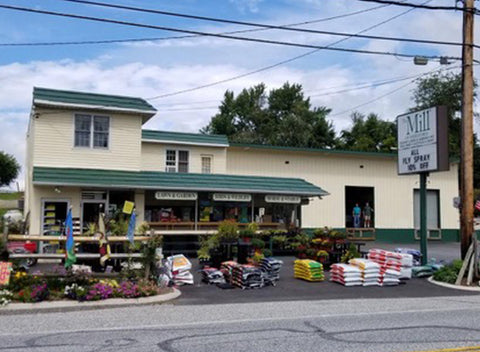

The spring field season that spent the better part of March at a standstill has fully shifted into planting mode. Certified Crop Advisor Ben Hushon with The Mill returned to Market Day Report this week with a meaningful update: corn went into the ground across the Whiteford, Maryland community and into York County, Pennsylvania last week, and soybeans are following close behind. After months of watching the backlog build, the region's growers are finally making up ground at a rapid pace.
Two Weeks of Exceptional Weather Made the Difference
The productivity of the past two weeks comes down to one factor: an extraordinary stretch of warm, dry conditions. Ben described temperatures running 20 degrees above normal day after day, with highs touching 90 degrees on multiple occasions. That kind of heat accelerated soil warming, dried out fields that had been saturated for weeks, and gave growers the sustained field access they needed to work through a compressed planting calendar.
The warm stretch ended abruptly. A cold front moved through Sunday dropping temperatures 15 degrees below normal and delivering about a quarter inch of rain across various areas in the region. After touching 90 degrees just days earlier, the swing back to well below normal is a sharp reminder of how volatile Mid-Atlantic spring weather can be. The brief moisture and cooler temperatures do not set planting back significantly, but they mark the end of the exceptional run growers have been riding.
Manure Backlog Is Nearly Behind Them
One of the clearest signs that growers have made meaningful progress this spring is what Ben did not see driving around over the weekend. The manure piles that were a fixture of every field update since early March are noticeably fewer. Most dairy manure has been hauled for several weeks, and the remaining chicken manure stockpiles that were scattered across fields a week ago have largely been worked through.
It took the combination of a dry stretch and sustained field access to close the gap, but the manure backlog that defined the first six weeks of this spring season is now largely in the rearview mirror.
Rye Cover Crop Is Being Harvested for Silage
A new activity has emerged in the community over the past week. Ben noted that some growers are chopping rye cover crop and putting it into the silo rather than simply terminating it with herbicide. This is a meaningful detail for anyone driving through agricultural areas and seeing what looks like a forage harvest happening ahead of row crop planting.
Chopping rye for silage serves two purposes at once. It removes the cover crop biomass ahead of planting while capturing the forage value of a rye crop that has had weeks to develop. For dairies and livestock operations in the region, it is a practical way to turn a cover crop into a feed resource before the ground is prepared for corn or soybeans.
Corn Is in the Ground
The headline of this week's spring planting update is straightforward: a significant amount of corn went into the ground across the local community and into neighboring York County, Pennsylvania last week. Ben visited the Ken Gebhardt farm in York County on Saturday and reported that corn planting was actively rolling on one of the best stretches of planting conditions the area has seen.
The progression from zero workable days in March to active corn planting in mid-April reflects how quickly conditions can shift when the weather cooperates. Growers who prepared their fertility programs, finalized seed decisions, and staged their equipment were positioned to move immediately when the window opened.
Soybeans Are Following Close Behind
Ben was reporting Monday morning from a field where soybeans were planted on Friday following cover crop burndown. The visual he described for non-farm viewers is worth understanding: a field can look fully green with standing cover crop one day and have soybeans in the ground just days later through no-till planting after burndown herbicide is applied.
No-till is prevalent in this community, and it is one of the reasons the transition from cover crop to planted field can happen so quickly. Without tillage, growers can move from burndown application to planting within a matter of days once the cover crop is adequately desiccated, keeping the planting window tight and efficient.
Growers are now navigating simultaneous decisions about corn versus soybean sequencing, field prioritization, and remaining fertility applications, all while watching the weather forecast for the next opportunity to keep equipment moving.
The Spring Season Has Turned a Corner
What a difference two weeks makes. From a spring that was running significantly behind by almost any measure through March and into early April, the Mid-Atlantic row crop community has shifted into an active planting season with corn and soybeans both in the ground and conditions that continue to support progress despite the brief cool-down.
The work is far from finished. Remaining corn and soybean acres still need to be planted, in-season management decisions for newly established acres are already beginning, and wheat continues its progression toward harvest. But the anxiety of a delayed spring has given way to the momentum of a season that is finally moving.
Connect With The Mill's Agronomy Team
The Mill's Agronomy Team is actively supporting growers across Maryland and southern Pennsylvania through corn and soybean planting, cover crop termination, fertility programs, and in-season crop management. Whether planting has already begun or acres are still being prepared, The Mill's Certified Crop Advisors are available to help keep the season on track.
Connect with The Mill's Agronomy Team to support your spring planting program from the field to the finish line.