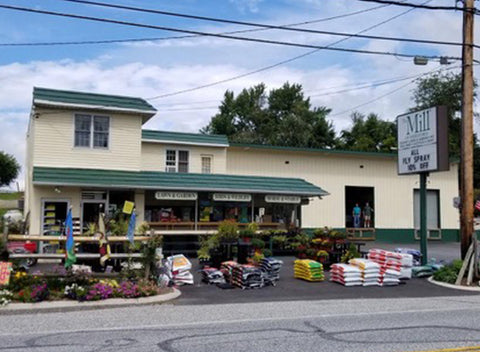

Two weeks without rain have turned the soybean harvest across northern Maryland into a race to keep up with the combines. Ben Hushon, Certified Crop Advisor with The Mill in White Hall, joined the RFD-TV Market Day Report to explain what the dry stretch means for farmers and grain handlers. Strong yields and steady weather are good news for the soybean harvest, and they are also testing storage space in the region.
Two Dry Weeks Keep the Soybean Harvest Moving
A long run of dry weather is rare during the soybean harvest. Most years, rain breaks up the season and farmers wait for beans to dry back down between showers. This fall, farmers have run from morning until night, and the soybean harvest has moved quickly as a result.
Most of the beans in this soybean harvest are full-season soybeans, which are ready later than earlier-maturing varieties. That timing means a large share of acres became ready at the same time. Corn harvest is also wide open, so many operations are bouncing between corn and the soybean harvest to take advantage of the weather window.
Why Soybeans Are Going Into Grain Bags
The pace of the soybean harvest has created an unusual sight. Local grain handlers received beans faster than they could move them out, and some ran out of room. To keep up, they began filling the long white ag bags that are normally used for corn silage in the region, with roughly 12,000 bushels of soybeans going into each one.
Putting soybeans in bags is not typical for the area, though at least one handler did it last year when grain arrived faster than it could leave. It is a practical answer to a storage squeeze, and it is also a sign. Bins and bags fill quickly when yields are strong, and local yields during this soybean harvest are looking very good.
Putting the Mexico Corn Sale in Perspective
USDA reported a sale of 68 million bushels of corn to Mexico on the morning of the interview. At 12,000 bushels per bag, that sale would fill about 5,600 of those white bags. It shows how large some export deals are compared with the grain moving through a single local handler.
Markets barely reacted. December corn finished the morning up about a penny and three quarters at $4.49 and a half, after five lower sessions the previous week. A separate flash sale of 5 million bushels of soybeans to Mexico was also reported. Exports shape the price farmers see once the soybean harvest is complete, so market watching continues through harvest.
Hay and Corn Stalks Join the Soybean Harvest Workload
Soybeans and corn are not the only crops on the move. Grass hay is also being harvested, and some dairy farms gather corn stalks and bale them like hay for use as bedding. The extra baling is one more way the dry weather is putting equipment to work across a variety of farm types.
What Comes Next: Rain for Small Grains
Dry weather is not a problem at harvest, but small grains planted this fall need moisture to get established. Rain is in the forecast for the end of the week. That would be welcome for fields that are already planted and for those still waiting on a finished soybean harvest to make room for the next crop.
Harvest Season Checklist
-
Confirm delivery and storage plans with the local grain handler before loads start moving
-
Check grain moisture before hauling or storing soybean harvest loads
-
Keep equipment maintained and fueled during long harvest days
-
Plan fall fieldwork around the end of the soybean harvest, including small grain seeding
-
Record soybean harvest yields and field notes for next season’s decisions
Talk to The Mill Agronomy Team
Strong yields and a fast soybean harvest make fall planning and next year’s inputs especially important. Farmers with questions about crop plans, fertility, or fall fieldwork can reach out to The Mill Agronomy Team. To learn more about The Mill’s work with local farms, visit The Mill, explore The Mill’s Knowledge Center, or find the nearest location with The Mill’s store locator.