
Stocking up wood heating pellets is a smart way to prepare for colder weather. But once you've brought the bags home, how you handle and store them can make a big difference in how well they perform throughout winter. Moisture, improper stacking, and poor storage conditions can damage even high-quality pellets. A few simple precautions can help protect your fuel investment while keeping your home and family safe.
New to heating with pellets? Start with our Heat Pellets 101: What to Know for a Warm, Efficient Winter guide for the basics of pellet fuel and efficiency.
Keep Heat Pellets Dry
Moisture is one of the biggest enemies of wood heating pellets. Pellets are made from compressed wood fibers that readily absorb water. When exposed to moisture, they can swell, soften, crumble, and eventually become unusable as heating fuel.
To keep pellets in good condition, remember to store bags in a dry, protected location. Keep them away from leaking roofs, windows, and damp walls and avoid placing bags directly on concrete floors where moisture is known to collect. Also, be sure to check bags regularly for tears, punctures, or condensation.
If pellets become wet and begin breaking apart, don't attempt to burn them. Damaged pellets can interfere with proper fuel feeding and combustion.
The Mill Tip: Before storing a new shipment, inspect the bags for damage. Catching a small tear early can prevent moisture from ruining an entire bag.
Choose a Safe Storage Location
A dry garage or shed is often a practical place to store bagged heating pellets, provided the space is protected from weather, has suitable ventilation, and isn't subject to flooding. Keep bags on a sturdy pallet or shelving system, with enough room to make your way around the surrounding area to easily check on your bags from time to time.
Avoid stacking pellets against furnaces, water heaters, electrical equipment, or other ignition sources. Maintain the clearances required by nearby appliances.
Can Heat Pellets Be Stored Outside?
Indoor storage is preferable, but outdoor storage may be necessary when purchasing a full ton. If storing pellets outdoors it’s important to choose a level, elevated location with good drainage. Do not put pellet bags directly on the ground, they should be kept on a pallet and protected with a waterproof cover. Secure the cover against wind while preventing water from collecting underneath. Inspect regularly for leaks and damaged packaging. Outdoor storage should be considered a temporary solution whenever possible.
An Important Note About Ventilation
Wood pellets can release small amounts of gases, including carbon monoxide, while stored - even when they aren't burning. The greatest risk occurs when large quantities are kept in enclosed, poorly ventilated spaces, particularly bulk storage rooms or bins. Never enter an enclosed bulk pellet storage area without following appropriate safety procedures. Avoid storing loose pellets in confined or unventilated spaces and follow supplier guidance for safe storage. Keep working carbon monoxide alarms in your home according to manufacturer recommendations and applicable safety requirements.
Stack and Handle Bags Carefully
A standard bag of wood heating pellets weighs approximately 40 pounds. When you're unloading a full pallet, that adds up quickly!
To reduce the risk of injury:
- Lift with your legs rather than your back.
- Keep bags close to your body while carrying them.
- Use a hand truck or cart when moving multiple bags.
- Ask for help with heavy or awkward loads.
- Stack bags on a stable, level surface.
Remember to avoid stacking bags higher than you can safely reach. Keep storage areas organized and clear of walkways, exits, and frequently used doors.
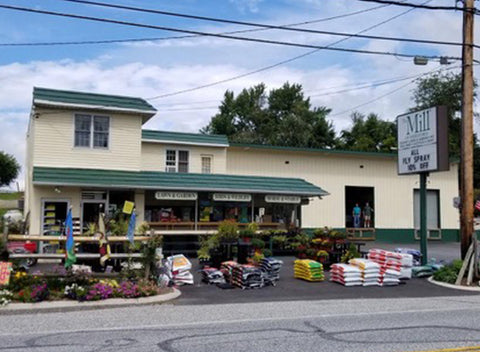
Buying in bulk? The Mill offers heating pellets by the bag and by the ton, with local delivery available for many products. Ask your nearest location about current availability and delivery options. Shop Wood Heating Pellets at The Mill
Know the Signs of Damaged Pellets
Properly stored pellets should remain firm, dry, and relatively uniform in size. Before adding pellets to your stove, check for:
Swelling or softening: Pellets that appear larger or fall apart easily may have absorbed moisture.
Excessive sawdust: Some dust is normal, but a large amount of loose material may indicate that pellets have deteriorated during handling or storage.
Clumping: Pellets that stick together may have been exposed to moisture.
Visible mold or musty odors: These are signs of unsuitable storage conditions.
If you're unsure whether a bag is usable, avoid adding questionable fuel to your stove.
Use Wood Heating Pellets Safely
Wood heating pellets are designed to provide consistent fuel for approved heating appliances, but safe handling is still important. Taking precautions and erring on the side of safety is the best way to protect your home.
· Ensure you only use fuel approved by your heating appliance's manufacturer.
· Keep pellet bags and loose fuel away from open flames and hot surfaces.
· Avoid creating unnecessary dust when pouring pellets.
· Never use gasoline, lighter fluid, or other accelerants to ignite pellets.
· Keep children and pets away from hot heating equipment.
· Follow your appliance manufacturer's instructions for safe operation and ash disposal.
*Important Note: Heating pellets and grilling pellets are not interchangeable. Use only the type of fuel approved for your equipment. Heating pellets should never be used in food-smoking or grilling equipment.
At The Mill, our Home & Garden department offers several hardwood and softwood heating pellet options, available by the bag or ton, with quantity discounts and local delivery options.
Good fuel deserves good storage. A little preparation now can make all the difference when winter arrives.
For dependable heating, choose pellets manufactured specifically for residential heating.
At The Mill, options include O'Malley Premium Hardwood Wood Heat Pellets, Lignetics Premium Hardwood Wood Heat Pellets, Statesman Hardwood Wood Heat Pellets, and AWF Ultra Premium White Pine pellets.
Frequently Asked Questions
How long can wood heating pellets be stored?
Wood heating pellets can remain usable for multiple heating seasons when kept completely dry and protected from damage. Their condition matters more than their age, so inspect older bags thoroughly before use.
Can I store heat pellets in my basement?
A dry, appropriately ventilated basement may be suitable for limited quantities of sealed, bagged pellets, provided local fire codes and appliance clearance requirements permit it. Avoid damp areas and enclosed bulk storage arrangements that could allow gases to accumulate.
What happens if heat pellets get wet?
Moisture causes compressed wood pellets to expand and break apart. Once pellets have swollen or crumbled, they generally cannot be restored to their original condition and should not be burned.
Can I leave a pallet of pellets outside all winter?
Outdoor storage increases the risk of moisture damage. If necessary, keep pellets elevated, protected from rain and snow, and regularly inspect the covering. A dry, sheltered storage location is preferable.
Are wood heating pellets safe around pets?
Keep pellet bags and loose fuel out of reach of pets to prevent chewing, accidental ingestion, or exposure to dust. Store fuel securely and keep animals away from hot heating appliances.
The Mill Tip: Protect Your Pellets, Protect Your Investment
Quality wood heating pellets are an investment in keeping your home comfortable throughout winter. Proper storage and handling help ensure that the fuel you purchase stays dry, burns as intended, and is ready when temperatures drop.
Whether you're purchasing a few bags or stocking up for the entire season, The Mill carries a selection of premium wood heating pellets to help you prepare.
Explore our heating pellets and home heating supplies, or visit your nearest Mill location for help selecting fuel and planning your winter purchase.