
Start with Certified Seed Potatoes
Certified seed potatoes typically come from Maine, and arrival timing depends on seasonal weather. Each tuber contains small protrusions called “eyes.” These eyes produce the shoots.
Seed potatoes can be planted whole or cut into pieces, provided each piece contains at least one eye. Cut pieces the night before planting and allow them to dry to prevent fungal issues. If disease pressure is a concern, dip cut surfaces in sulfur powder and allow them to dry before planting.
When and How to Plant
Many gardeners plant potatoes close to St. Patrick’s Day. Potatoes prefer cool, moist soil. Soil that is too wet may cause rot, but light frosts are generally not a problem. Even if tops blacken from frost, roots usually remain healthy.
Planting guidelines:
-
Depth: 3 inches
-
Spacing: 9–12 inches apart
-
Row spacing: 3 feet apart
-
Location: Full sun
-
Soil: Well-draining
Yield Expectations
-
1 lb of seed potatoes equals 5–8 medium tubers
-
1 lb plants 10–12 feet of row
-
10 feet of row yields about 10 lbs of potatoes
-
5 lbs yields approximately 50 lbs
-
8 lbs plants a 100-foot row
Popular Potato Varieties
-
Russet: Starchy, excellent for baking and mashing
-
Cobbler: White, semi-starchy, good keeper
-
Katahdin: Great for baking, boiling, and fries
-
Norland: Red-skinned, ideal for salads and roasting
-
Red Pontiac: Thin-skinned, versatile
-
Yukon Gold: All-purpose yellow-fleshed favorite
-
Kennebec: Medium starch, excellent for frying
-
Superior: Excellent storage variety
-
Adirondack Blue: Waxy-starchy, colorful option for salads and mashing
Growing Success Starts with Preparation
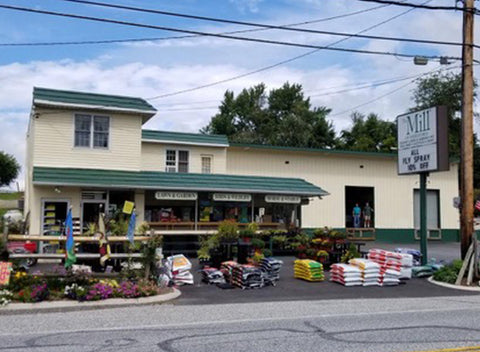
Healthy vegetables begin with healthy soil. Compost, balanced fertilizers such as 10-10-10, proper spacing, and consistent watering practices make all the difference. The Mill carries certified seed potatoes, asparagus crowns, onion sets, garlic, compost, fertilizers, and soil amendments to support every stage of the growing process.
From cool spring soil to midsummer harvest, every vegetable has its season. With the right timing and knowledge, gardeners can enjoy productive yields year after year.
For more expert advice, visit your local The Mill location or explore additional gardening resources at themillstores.com.