
Spring Planting Update: Corn Crosses the One-Third Mark as Dry Conditions Slow Soybean Emergence
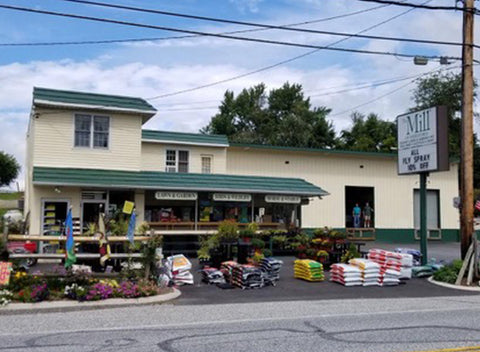
Certified Crop Advisor Ben Hushon with The Mill joined Market Day Report this week from a soybean field that tells the most pressing agronomic story of the moment across Maryland and southern Pennsylvania. Soybeans planted ten days ago are struggling to push through the ground, not because of a planting problem but because the region has been running dry at a critical time for newly seeded acres.
Corn Planting Has Crossed the One-Third Mark
The headline from this week's spring planting update is straightforward progress. Ben estimated that more than a third of the corn crop is in the ground across the community, with the total possibly approaching 50 percent. Growers were running equipment around the clock through Saturday night into early Sunday morning before rain finally arrived, making the most of a sustained dry and workable stretch that has allowed planting to move at a strong pace.
Cover crop burndown applications were also completed at a significant rate over the past week, clearing the way for additional corn and soybean acres to be planted as conditions allow. The combination of excellent planting conditions and motivated growers has moved the calendar forward considerably compared to where the season stood just a few weeks ago.
Soybean Emergence Is Being Slowed by Dry Conditions
While corn planting progress is encouraging, the story in the soybean field Ben was reporting from is more complicated. Soybeans planted ten days ago into 65 degree soil temperatures have been slow to emerge, and the reason is straightforward: the region has been running through a dry stretch that has limited the moisture available to drive germination and push seedlings through the surface.
Ben was clear that this is not a drought situation. Conditions have not deteriorated to that level. But the region has not received meaningful rainfall in a consistent pattern, and soybeans need that moisture to germinate uniformly and emerge cleanly. What little rain has fallen, roughly three tenths of an inch last week, has been welcome but not sufficient to fully activate germination across planted fields.
Soil Crusting Is Adding to the Emergence Challenge
Beyond the lack of moisture, some fields are developing a surface crust that is making it harder for seedlings to push through the ground. Ben noted that the ground never truly hardened through this stretch, which kept planting conditions excellent, but the combination of dry conditions and warm temperatures has allowed a light crust to form on the soil surface in some areas.
Seedlings attempting to emerge for the first time are running into that crust rather than breaking cleanly into open air and sunlight. The solution is relatively simple but cannot be forced: rain. A quarter to half inch of steady rainfall would soften the crust, allow seedlings to push through, and provide the moisture those young plants need to get established.
Cold rain that came over the weekend was not ideal for young seedlings experiencing their first moisture since planting. Cold, wet conditions at the seedling stage carry stress risk, and the timing of that first rain matters as much as the amount.
Pre-Emergent Herbicides Need Moisture to Activate
The dry conditions carry a second agronomic concern beyond emergence. Pre-emergent herbicides applied at or around planting require soil moisture to activate and move into the weed seed germination zone. Without adequate rainfall, those products sit on or near the soil surface without performing their intended function.
Ben noted that the region needs rain a couple of times per week to keep herbicides working properly. For growers who have applied pre-emergent products across corn and soybean acres, the same rain that is needed for seedling emergence is also needed to activate the weed control program. Both problems share the same solution.
The Biggest Challenge This Season Is Economic
When asked about the broader challenges producers are facing as the season develops, Ben pointed to an issue that goes beyond agronomy. Growers across the region are about to receive fertilizer bills for April that many expect will be the largest they have ever seen.
The compressed spring season pushed a significant volume of fertilizer applications into a narrow window. Lime, manure, pre-plant fertilizer, and wheat top dress applications that were delayed through February and March were largely completed during the dry stretch over the past two to three weeks. The agronomic work got done, but it concentrated into a billing cycle that is going to be felt.
From a crop management standpoint, Ben indicated conditions remain generally sound. The challenges are real but manageable. The bigger weight on growers right now is financial, and that context shapes the decisions being made on every remaining acre heading into May.
What Growers Need Right Now
The ask from the field this week is simple: consistent, moderate rainfall. Not a heavy soaking event but steady rain arriving a couple of times per week through the early part of May would accomplish several things at once. It would break any remaining soil crust, drive soybean and corn seedling emergence, activate pre-emergent herbicide programs, and provide early season moisture to crops that were planted into excellent conditions and are ready to grow.
The season has come a long way from where it stood in early March. The work is largely done on the ground preparation and planting side. Now it is a matter of weather delivering what the crops need to get established and move forward.
Connect With The Mill's Agronomy Team
The Mill's Agronomy Team is actively supporting growers across Maryland and southern Pennsylvania through planting, early season crop scouting, herbicide programs, and fertility management. With corn and soybeans now in the ground across a significant portion of the region, in-season management decisions are beginning in earnest.
Connect with The Mill's Agronomy Team to keep your spring planting program on track through emergence and beyond.