
Healthy Lawns and Gardens Start with Soil Testing
When it comes to growing a healthier lawn or a more productive garden, most homeowners focus on fertilizers, seed, and watering schedules. Those elements all matter, but none of them work as well without a clear picture of what is happening below the surface.
Soil testing provides that picture. Without it, any lawn or garden program is built on assumptions. Applying products without knowing what the soil actually needs can lead to poor results, wasted money, and problems that compound over time.
What a Soil Test Actually Reveals
A professional soil test goes beyond surface-level observations. It measures the specific conditions that determine whether a lawn or garden can perform at its best.
A standard soil test typically includes:
-
Soil pH levels
-
Nutrient levels such as phosphorus and potassium
-
Organic matter content
-
Overall soil fertility and structure
pH is particularly important and often overlooked. If pH is outside the optimal range, nutrients may already be present in the soil but locked in a form that plants cannot access. A well-fertilized lawn can still underperform if pH is not addressed first.
Understanding these factors allows homeowners to make targeted decisions rather than applying products and hoping for results.
How Soil Testing Saves Money Over Time
Soil testing may feel like an added step, but it is one of the most practical investments a homeowner can make in their lawn or garden program.
With accurate soil data, it becomes possible to:
-
Avoid over-applying fertilizer on nutrients already present in sufficient levels
-
Target specific deficiencies rather than applying broad-spectrum products
-
Reduce the need for corrective treatments down the road
-
Improve the efficiency of every application throughout the season
Over time, this approach builds a more balanced soil profile that requires fewer inputs to maintain. The result is better performance at a lower overall cost.
How to Collect a Soil Sample
Accurate soil testing starts with a properly collected sample. The process is straightforward and requires only basic tools.
Follow these steps for reliable results:
-
Choose a sampling area that is representative of the lawn or garden zone being tested
-
Use a shovel or soil probe to collect samples 3 to 4 inches deep for lawns, or 6 inches deep for garden beds
-
Pull samples from several different spots across the area and combine them in a clean container
-
Remove any debris such as grass clippings, roots, or stones
-
Allow the sample to dry before submitting if needed
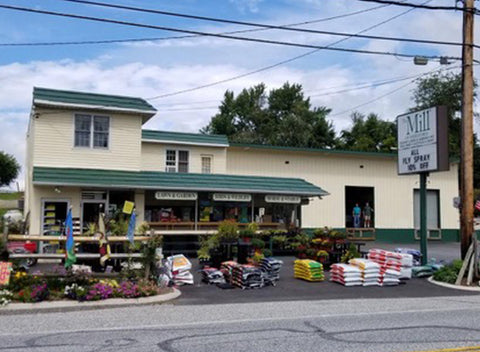
Collecting from multiple locations and mixing them together gives a more accurate picture of overall conditions rather than reflecting one isolated spot. The Mill offers soil testing services and can walk customers through the sampling process to ensure results are reliable.
When to Test Your Soil
Soil can technically be tested at any point during the year, but certain windows offer the most practical value.
The two most effective times to test are:
Early spring, before any fertilizer applications begin. Testing at this point allows homeowners to build their entire lawn or garden program around accurate data, making it easier to select the right products and plan applications appropriately.
Fall, after the growing season winds down. Fall testing gives time to address any deficiencies before the following spring and allows soil amendments to work into the ground over winter.
Testing every one to three years is generally sufficient for most home lawns and gardens. Regular testing helps track how soil conditions change over time and confirms that corrective measures are working as intended.
Soil Testing and Environmental Responsibility
Applying only what the soil actually needs is not just good practice for the lawn. It is also a more responsible approach to managing inputs.
Accurate soil testing helps reduce:
-
Nutrient runoff into local waterways
-
Over-application of fertilizers
-
Environmental impact from excess or unnecessary inputs
Managing nutrients more precisely is one of the most meaningful steps a homeowner can take toward more sustainable lawn and garden care. Small adjustments in application habits can add up to a significant difference over a season.
Build a Better Lawn and Garden from the Ground Up
Every decision made throughout the growing season becomes more effective when it is guided by accurate soil data. From fertilizer selection to planting strategy, soil testing creates a foundation that supports better outcomes across the board.
The Mill offers soil testing services alongside expert recommendations and the products needed to act on the results. Whether starting a new lawn care program or fine-tuning an existing one, soil testing is the right place to begin.
Visit any local The Mill store to learn more about:
-
Soil testing and sampling services
-
Lawn and garden fertilizers
-
Soil amendments and conditioners
Starting from the ground up is not just a phrase. It is the most practical approach to building a lawn and garden that performs season after season.