
One of the most common questions homeowners ask each spring is simple: when is the right time to fertilize? While many reach for the calendar, the real answer lies beneath the surface.
Grass begins actively growing when soil temperatures consistently reach 50 to 55 degrees Fahrenheit. That is the point when roots wake up and start drawing in nutrients. Applying fertilizer before the soil reaches this threshold can lead to wasted product, poor uptake, and little visible benefit.
In the Mid-Atlantic region, this window typically falls between early March and early April, though weather patterns shift the timing from year to year. A simple soil thermometer or local soil temperature map can take the guesswork out of the decision and ensure fertilizer goes down at exactly the right moment.
Soil Temperature vs. Calendar Timing
It is tempting to look at a warm week in late February and assume spring has arrived. But turf responds to what is happening underground, not just what the air feels like. Soil temperature is a far more reliable indicator than the date on the calendar.
Applying fertilizer too early carries real consequences:
-
Nutrients can be lost to runoff or leaching before roots are active
-
Top growth may be pushed before root systems are fully established
-
Pre-emergent herbicide timing can be thrown off, reducing weed control effectiveness
Waiting until soil temperatures are consistently in the target range allows the lawn to properly utilize every application. The result is stronger root development and better overall performance heading into the growing season.
Why Step 1 Sets the Tone for the Entire Season
The first application in a seasonal lawn care program carries more responsibility than simply feeding the grass. Step 1 is a multi-purpose treatment designed to jumpstart growth, deliver early-season nutrients, and lay down a pre-emergent barrier against crabgrass.
Timing this application correctly is critical. Apply too early, and the pre-emergent barrier may break down before peak crabgrass germination. Apply too late, and weeds may already be establishing.
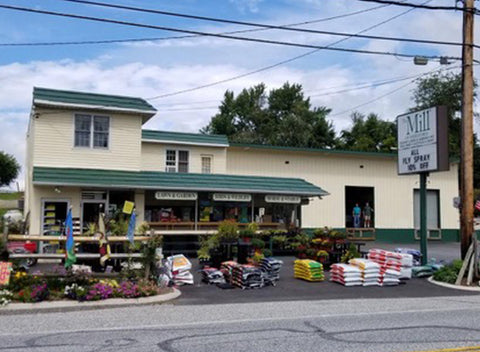
The Mill's Step 1 product (18-0-4 25% SCU with .38 Prodiamine Pre-emergent) is formulated to address both needs simultaneously. It is a cornerstone of The Mill's 4-Step Lawn Care Program, which aligns each application with key seasonal milestones so homeowners know exactly when to act.
Test Before You Treat
Before any fertilizer goes down, it helps to know what the lawn actually needs. Soil conditions vary significantly from yard to yard, and applying nutrients without that baseline information often leads to imbalances or missed deficiencies.
A soil test provides insight into:
-
pH levels
-
Available nitrogen, phosphorus, and potassium
-
Soil composition and organic matter content
With those results in hand, fertilizer choices become more targeted and more effective. The Mill offers soil sampling services to help homeowners approach spring lawn care with confidence rather than guesswork. Pairing a soil test with a structured program ensures the right products are applied at the right rates from the very start.
Common Mistakes to Avoid in Spring
Even experienced homeowners can fall into familiar patterns that limit results. These are the most common missteps when it comes to spring fertilization:
Fertilizing too early. Cool soil cannot absorb nutrients efficiently. Early applications often lead to runoff and poor turf response.
Skipping the soil test. Without knowing the baseline condition of the soil, it is easy to over-apply some nutrients while missing others entirely.
Missing the Step 1 window. The pre-emergent component of Step 1 has a specific window of effectiveness. Missing it means weed pressure increases significantly through the summer.
Over-fertilizing. More product does not mean better results. Excess nitrogen can stress turf and contribute to environmental runoff.
Ignoring weather patterns. Heavy rain immediately after application can wash nutrients away. Dry conditions without irrigation can limit uptake. Checking the forecast matters.
Spring Lawn Care and Environmental Responsibility
Proper fertilization timing is not only good for the lawn, it is better for the surrounding environment. Applying nutrients when soil and roots are ready reduces runoff into local waterways and minimizes waste from applications that go unused.
Earth Day each spring is a natural reminder that responsible lawn care and environmental stewardship are connected. Soil testing, accurate timing, and a structured program all contribute to a more sustainable approach, one that produces real results without unnecessary excess.
A Smarter Approach to Spring Fertilization
Spring is the foundation of the entire lawn care season. Getting the timing right, starting with a strong first application, and understanding what the soil actually needs positions any lawn for a healthier, more consistent growing season.
The Mill's 4-Step Lawn Care Program removes the uncertainty from this process by aligning applications with the seasonal cues that matter most. Combined with soil sampling services, it gives homeowners a clear, practical path forward.
Start the Season Right with The Mill
Visit any local The Mill store to learn more about:
-
Soil Testing and Sampling Services
-
Fertilizers and soil amendments tailored to specific lawn needs
The right timing paired with the right plan makes a measurable difference. This spring, start strong.