
Why Summer Is the Most Demanding Season for Pond Owners
A pond that looks healthy in April can become a green, murky, odor-producing problem by July. Summer creates a perfect combination of conditions for everything that makes pond management difficult: warm water temperatures, long days with high light intensity, increased nutrient loads, and reduced dissolved oxygen. Understanding how these factors interact is what separates a pond that stays clear and balanced from one that requires constant reactive treatments.
The good news is that summer pond problems are largely preventable. Addressing algae pressure, oxygen levels, and water quality as part of a proactive maintenance routine is far more effective than treating problems after they have established.
Understanding Algae: Why It Happens and What It Means
Algae is not inherently a problem. In small amounts, it is a natural part of a balanced aquatic ecosystem. The issue arises when conditions favor rapid, excessive growth that overwhelms the pond and depletes the resources other organisms depend on.
Summer algae blooms are driven by three primary factors:
Nutrients. Algae thrives on nitrogen and phosphorus, which accumulate in ponds through fish waste, runoff from surrounding landscaping, decomposing organic matter, and overfeeding of pond fish. The more nutrients are available, the more aggressively algae grows.
Sunlight. Long summer days provide the extended light exposure algae needs to photosynthesize and multiply quickly. Ponds without adequate shade or depth are particularly vulnerable.
Warm water temperatures. Warmer water holds less dissolved oxygen, moves more slowly, and supports faster algae reproduction. Once water temperatures climb into the upper 70s and 80s, algae growth rates accelerate significantly.
The two most common forms of algae in backyard ponds are green water algae, which creates a pea soup appearance, and string or hair algae, which forms dense mats on pond surfaces and around rocks and waterfalls.
Oxygen: The Foundation of a Healthy Pond
Dissolved oxygen is the single most important factor in pond water quality, and it is the one that summer conditions stress most severely. Fish, beneficial bacteria, and most other aquatic life depend on adequate dissolved oxygen to survive and function. When oxygen levels drop, the consequences compound quickly.
Several summer conditions reduce dissolved oxygen simultaneously:
- Warm water holds less dissolved oxygen than cool water by nature
- Algae and aquatic plants consume oxygen at night through respiration, which can cause dangerous oxygen crashes in the early morning hours
- Decomposing organic matter at the pond bottom consumes oxygen as it breaks down
- Stagnant water with no circulation or surface agitation limits oxygen exchange with the atmosphere
The most reliable way to maintain oxygen levels through summer is surface agitation. A fountain, waterfall, or aerator that keeps the water surface moving continuously allows oxygen to enter the water and prevents the stratification that develops in still ponds, where warmer, oxygen-poor water sits on top and cooler, even more oxygen-depleted water settles at the bottom.
Fish behavior is often the earliest sign of low oxygen. If pond fish are seen gathering near the surface, gasping or appearing lethargic in the early morning hours, it is a strong indicator that dissolved oxygen levels are critically low and intervention is needed immediately.
Algae Treatment Options
When algae pressure becomes a problem in summer, treatment choices depend on the type of algae present, the size of the pond, and whether fish or plants are part of the ecosystem.
Pond AlgaeFix is a fast-acting liquid treatment that controls green water algae blooms, string algae (Cladophora), and blanketweed (Oedogonium) in ponds that contain live plants and fish. It is EPA-registered and dosed at 1 teaspoon per 50 gallons, making it well suited for smaller ornamental ponds and water gardens. One important note: AlgaeFix should not be used in ponds containing freshwater crustaceans such as shrimp, crabs, or crayfish.
Cutrine-Plus Liquid Algaecide is a chelated copper algaecide formulated for treating bottom-growing algae, spot treatments along docks or pond edges, and broader algae management in larger bodies of water. It controls a wide range of algae types including cyanobacteria, filamentous green algae, and planktonic algae. An important caution: Cutrine-Plus should not be used in ponds that contain cyprinid or salmonid fish species, including koi, carp, goldfish, or trout. It is well suited for farm ponds, lakes, and water features without these fish species.
Barley Straw Bales offer a natural, long-term approach to algae management. Each bale treats up to 1,000 gallons of pond water for up to 6 months by releasing compounds as the straw decomposes that inhibit algae growth. Barley straw works best as a preventive measure rather than a reactive treatment for an active bloom. It is safe and natural, making it a strong option for ponds where chemical treatments are not desirable.
Managing Nutrients: Addressing the Root Cause
Treating algae without addressing the nutrients that fuel it is a temporary solution at best. Reducing nutrient load is the most effective long-term strategy for keeping algae under control through the summer season.
Practical steps to reduce nutrient input include:
- Avoid overfeeding pond fish. Uneaten food is one of the fastest pathways to elevated nutrient levels. Feed only what fish will consume within a few minutes and remove any excess.
- Manage runoff from surrounding lawn and garden areas. Fertilizers, grass clippings, and organic debris washing into the pond contribute significantly to nutrient loading.
- Remove decomposing plant material and fallen leaves promptly, particularly in the fall before they break down over winter and release nutrients the following spring.
- Keep pond plants healthy and actively growing. Aquatic plants compete directly with algae for nutrients and can significantly reduce algae pressure when properly established.
API Aquatic Plant Food Tablets support the health and growth of water lilies and other aquatic pond plants through the season. Healthy, actively growing aquatic plants are one of the most effective natural tools for keeping nutrient levels in check and algae under control. The tablets contain iron for lush green growth and boron to promote flower formation, and are designed to feed plants directly through the roots without releasing excess nutrients into the water column.
Water Quality Basics for Summer
Beyond algae and oxygen, overall water quality requires attention during summer. A few practical guidelines that apply to most backyard pond situations:
Limit direct sun exposure where possible. Ponds located in full, all-day sun are significantly harder to manage in summer than those with partial shade. Water lilies and floating aquatic plants that cover 50 to 70 percent of the pond surface provide shade that moderates temperature and limits light penetration for algae.
Do not perform large water changes during heat stress. Replacing more than 10 to 20 percent of pond water at one time can shock fish and disrupt the biological balance that has developed. Small, regular top-offs to replace evaporation are a better approach.
Avoid treating algae in multiple ways simultaneously. Using a chemical treatment and barley straw at the same time, or combining treatments without understanding their interaction, can stress fish and disrupt beneficial bacteria populations. Address one issue at a time and allow the pond to stabilize between treatments.
Monitor fish health regularly. Fish that are active, feeding consistently, and showing good color are generally a reliable indicator of acceptable water quality. Behavioral changes, surface gasping, or visible physical symptoms are early warnings that water conditions have deteriorated.
Build a Summer Maintenance Routine
The most effective approach to summer pond care is a consistent, proactive routine rather than reactive treatments. A basic summer maintenance schedule might include:
- Weekly removal of surface debris, excess plant material, and dead foliage
- Regular monitoring of fish behavior for signs of oxygen stress
- Maintaining continuous surface agitation through a fountain, waterfall, or aerator
- Applying preventive algae management before blooms develop rather than after
- Checking and managing nutrient inputs from feeding and surrounding landscape
Find Pond Care Products at The Mill
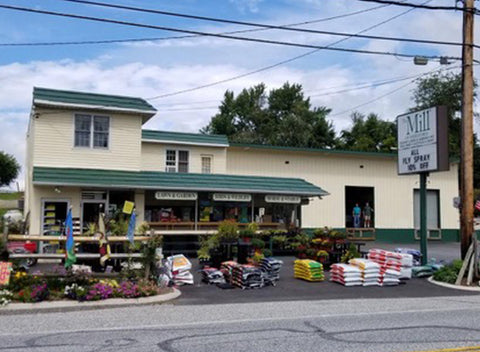
The Mill carries a selection of pond care products for backyard water gardens, ornamental ponds, and larger farm pond situations. Browse the full Pond collection at themillstores.com or visit any local The Mill store for guidance on the right products for a specific pond size, type, and situation.
- Pond AlgaeFix - fast-acting algae control for fish and plant ponds
- Cutrine-Plus Liquid Algaecide - chelated copper algaecide for larger ponds without cyprinid or salmonid fish
- Barley Straw Bales - natural, long-duration algae prevention
- API Aquatic Plant Food Tablets - nutrition for water lilies and aquatic plants