
Tropical Color That Lasts All Season
Mandevilla and Dipladenia are close relatives in the same genus, and together they cover nearly every container and garden scenario where bold, tropical flowers are the goal. Both bloom prolifically from late spring through fall in shades of red, white, pink, raspberry, yellow, apricot, and striped combinations. Both attract hummingbirds, butterflies, and bees with their large, trumpet-shaped flowers, making them as ecologically valuable as they are visually striking.
Outside of zones 9 through 11, where they are winter hardy, both plants are grown as annuals or overwintered indoors in the Mid-Atlantic region. With the right care, a well-established plant can be brought back year after year and become more impressive each season.
Mandevilla: A Vining Tropical for Trellises and Structures
Mandevilla is a vigorous tropical vine native to the Southwest United States, South America, and Mexico, where it grows under the common name Rock Trumpet. In a container or garden setting, it can reach 8 to 12 feet tall and 6 feet wide over the course of a single growing season when given the right conditions.
Because Mandevilla vines actively, it requires a support structure from the start. A trellis, obelisk, fence, or pergola post all work well. As the plant grows, excess vines can be tucked back into the structure to fill in gaps and create a fuller, more uniform appearance. Blooms always face outward, and spent flowers drop cleanly on their own as new buds emerge, which makes maintenance straightforward through the season.
Dipladenia: The Shrub-Form Alternative
Dipladenia offers the same flower colors, glossy foliage, and pollinator appeal as Mandevilla without the vining habit. It grows in a compact, mounding form reaching 18 to 24 inches tall and wide, which makes it well suited to containers, hanging baskets, and window boxes where a tidier, self-supporting plant is preferred.
The flowers are similar in shape to Mandevilla but slightly smaller, and the foliage is notably glossy and smooth. Dipladenia also prefers to be somewhat pot-bound, which means it needs repotting less frequently than Mandevilla, typically every 2 to 3 years rather than every other year.
For gardeners who want nonstop tropical color without the commitment of managing a large vine, Dipladenia is an excellent choice and can be used effectively as a season-long annual in garden beds as well as containers.
Sun Requirements
Both Mandevilla and Dipladenia perform best with at least 6 hours of direct sunlight daily, with morning sun being ideal. Intense afternoon sun, particularly in midsummer, can scorch the leaves and stress the plant. A location that receives full morning sun and some relief from the hottest part of the afternoon gives the best balance of flowering performance and foliage health.
Soil and Potting
Both plants require a well-draining potting mix that also provides organic nutrition. A quality potting soil that includes ingredients like aged bark, kelp meal, and worm castings supports the consistent growth and flowering these plants are capable of. Avoid dense or heavy soils that retain too much moisture, as both Mandevilla and Dipladenia are susceptible to root rot when drainage is inadequate.
Espoma Organic Potting Soil is a strong choice for both plants. Its blend of sphagnum peat moss, humus, and perlite provides the drainage and aeration these tropical plants need, and it is enhanced with earthworm castings, alfalfa meal, kelp meal, and feather meal that support healthy root development and sustained growth through the season.
When repotting, increase the container size by no more than 2 inches in diameter at a time. Moving to an oversized pot too quickly can lead to excess moisture retention in the unused soil around the root ball, increasing the risk of root problems.
Watering
Water when the top 2 inches of soil feel dry to the touch. Both plants prefer consistent moisture during the growing and flowering season but will not tolerate saturated conditions. Always water at the base of the plant rather than overhead, as wet foliage and flowers invite disease and can reduce flower quality.
During the cooler months when the plant has been brought indoors, water sparingly. The reduced light and lower temperatures slow growth significantly, and overwatering dormant or semi-dormant plants is one of the most common causes of winter decline.
Fertilizing for Continuous Bloom
Regular fertilization is what keeps Mandevilla and Dipladenia blooming consistently throughout the season. Both plants are heavy feeders during active growth and flowering, and skipping fertilization leads to reduced bloom production and less vigorous growth.
During the growing season, apply a balanced water-soluble fertilizer every two weeks. Two reliable options available at The Mill are:
Jack's Classic All Purpose Fertilizer is a balanced formula that feeds both through the roots and leaves, supports rapid growth, and works well for maintaining active, vigorous plants through the season.
Jack's Classic Blossom Booster is formulated with a higher phosphorus content to encourage more flowers and brighter colors. It is a strong option during peak flowering periods when maximizing bloom production is the priority.
For gardeners who prefer an organic approach, Espoma Flower-tone 3-5-7 is a slow-release organic fertilizer for both annuals and perennials that supports larger, more abundant blooms without risk of burning.
As temperatures begin to cool in fall, reduce fertilization to once a month at half the normal rate and begin tapering back watering in preparation for bringing the plant inside.
Overwintering Mandevilla and Dipladenia
Both plants can be successfully overwintered indoors and returned to the garden the following spring, which allows a well-grown specimen to come back larger and more established each year.
When to bring them in: Once nighttime temperatures consistently approach 50 degrees, it is time to move both plants inside. Waiting too long exposes the plants to cold stress that can set them back significantly.
Before bringing indoors: Inspect the plant carefully for pests, particularly spider mites and mealybugs, and treat if necessary before moving inside. It is much easier to address a pest problem outdoors than after the plant is in the home.
Indoor placement options: Once inside, two approaches work depending on available space and conditions.
-
Place the plant in a bright location with as much natural light as possible. The plant will retain its leaves, may continue to produce some flowers, and will require occasional light watering through winter.
-
Alternatively, move the plant to a cool location around 60 degrees where it will go dormant, drop its leaves, and require very minimal water until spring.
Prune as needed before bringing the plant inside to manage its size. Remove any weak, leggy, or dead stems at the same time.
Returning outdoors in spring: Once nighttime temperatures are consistently above 55 degrees, the plant can go back outside. Reintroduce it to direct sunlight gradually over the course of one to two weeks. Young emerging leaves are tender and will sunburn if moved immediately from low indoor light to full outdoor sun. As the foliage toughens and the plant adjusts, relocate it to its full-sun position, resume regular watering, and restart the fertilization schedule.
Pest Management
Aphids, mealybugs, and spider mites are the most common pests encountered on both plants. These infestations most often develop when a plant is in a hot, stagnant location with poor air circulation, whether indoors in winter or outdoors in a sheltered corner.
Treat with an insecticide labeled for use on houseplants or annuals. When applying, avoid spraying directly on open buds and flowers, which can cause damage. Improving air circulation around the plant is one of the most effective preventive measures.
Pollinator Value
Both Mandevilla and Dipladenia are excellent nectar sources for hummingbirds, butterflies, and bees. Their trumpet-shaped flowers are particularly well suited to hummingbirds, which are attracted to tubular red and pink blooms. Placing a Mandevilla or Dipladenia near a hummingbird feeder creates a natural and visually appealing pollinator corner on a patio or deck.
For more on attracting hummingbirds to the yard, The Mill's guide to attracting hummingbirds covers feeder selection, nectar options, and plant pairings that complement the natural nectar sources these plants provide.
Find Everything You Need at The Mill
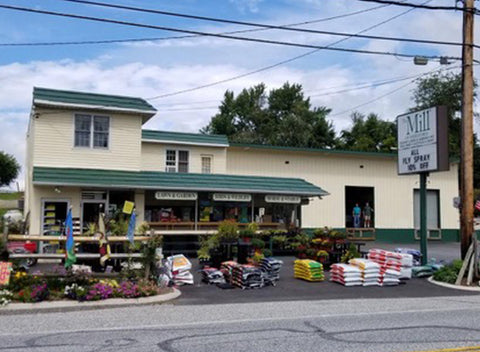
The Mill carries potting soils, fertilizers, and garden supplies to support Mandevilla and Dipladenia through every stage of the season. Browse the full selection online or visit any local store for in-person guidance on product selection and care.