
Growing a vegetable garden is one of the most rewarding ways to connect with the growing season. Fresh vegetables harvested straight from the garden offer incredible flavor, and the process of growing them can be both relaxing and productive.
For many gardeners, the biggest challenge is simply knowing where to start. A successful vegetable garden does not require a large space or years of experience. With a few basic steps and the right preparation, anyone can grow a productive garden.
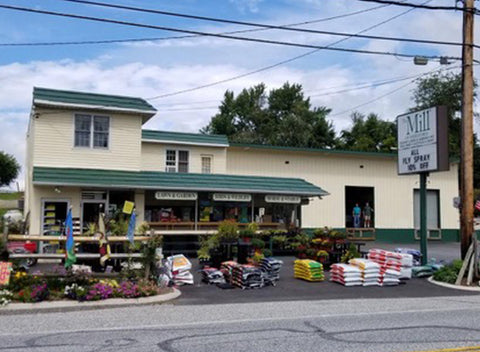
This beginner’s guide from The Mill walks through the key steps for planning, planting, and maintaining a vegetable garden that can produce all season long.
Step 1: Choose the Right Location
Sunlight is the most important factor when selecting a garden location. Most vegetables require at least 6–8 hours of direct sunlight per day to grow properly and produce healthy yields.
When selecting a garden space, look for areas that offer:
• Full sun exposure
• Good air circulation
• Easy access to water
• Well-draining soil
Low spots in the yard that stay wet after rain should be avoided, as overly wet soil can lead to root diseases and poor plant growth.
If space is limited, raised beds or container gardens can also provide excellent results.
Step 2: Start with Healthy Soil
Healthy soil is the foundation of every successful garden. Vegetables grow best in loose, nutrient-rich soil that drains well but still retains moisture.
Before planting, it is helpful to improve soil quality by adding organic matter such as:
• Compost
• Garden soil blends
• Organic soil amendments
These materials help improve soil structure, increase nutrient availability, and support beneficial soil microbes.
Many gardeners also incorporate a balanced fertilizer such as 10-10-10 before planting to provide essential nutrients for early plant growth.
Preparing soil early in the season allows nutrients and organic matter to blend evenly into the planting area.
Step 3: Plan Your Garden Layout
Planning the garden layout before planting helps maximize space and ensures each vegetable has room to grow.
When designing a vegetable garden, consider:
• Plant spacing requirements
• Row orientation for sunlight
• Plant height to prevent shading
• Access for watering and harvesting
Taller crops such as tomatoes and corn should be planted on the north side of the garden so they do not shade shorter plants.
Grouping vegetables by type and maturity time can also make harvesting easier throughout the season.
Step 4: Start with Easy Vegetables
For beginners, choosing vegetables that grow reliably can help build confidence and ensure early success.
Some of the easiest vegetables to grow include:
Leafy Greens
Root Vegetables
-
Beets
Garden Staples
-
Peppers
Cool Season Crops
-
Potatoes
-
Garlic
These crops tend to germinate quickly, tolerate varying conditions, and produce reliable harvests.
Step 5: Know When to Plant
Vegetables are typically grouped into cool-season crops and warm-season crops.
Cool-season vegetables prefer cooler soil and can tolerate light frost. These include:
• Lettuce
• Spinach
• Potatoes
• Onions
• Peas
These crops are often planted in early spring as soon as the soil becomes workable.
Warm-season vegetables require warmer soil and consistent temperatures. Examples include:
• Tomatoes
• Peppers
• Cucumbers
• Squash
• Beans
These crops are usually planted after the risk of frost has passed.
Understanding planting timing helps ensure seeds germinate properly and plants establish quickly.
Step 6: Water Consistently
Consistent watering is critical during the early stages of plant growth. Vegetables generally require about one inch of water per week, either from rainfall or irrigation.
Watering tips for beginners include:
• Water deeply rather than frequently
• Water early in the morning when possible
• Avoid wetting foliage late in the evening
Mulch can also help conserve moisture, regulate soil temperature, and reduce weed pressure.
Step 7: Feed Plants as They Grow
Vegetables are heavy feeders and benefit from additional nutrients throughout the season.
Fertilizer may be applied in several ways:
• Pre-plant soil incorporation
• Side-dressing along rows
• Water-soluble fertilizers during active growth
Following fertilizer recommendations for each crop helps ensure strong plant development and productive harvests.
Step 8: Stay Ahead of Weeds and Pests
Mulching, shallow cultivation, and hand pulling are common weed management methods for home gardens.
Gardeners should also monitor plants regularly for signs of insect activity or plant stress so problems can be addressed early.
Step 9: Harvest at the Right Time
One of the most exciting parts of gardening is harvesting fresh vegetables. Picking produce at the right stage ensures the best flavor and texture.
Many vegetables, such as cucumbers, beans, and leafy greens, will continue producing when harvested regularly. Frequent harvesting encourages plants to produce additional growth.
Each crop has its own harvest window, so it is helpful to check recommended harvest timing for each vegetable.
Start Small and Grow from There
The most successful gardens often begin with a simple plan. Starting with a manageable space allows gardeners to learn how their soil, sunlight, and watering patterns affect plant growth.
As experience grows, the garden can expand with new vegetables, raised beds, or additional planting seasons.
With the right preparation and a little patience, even a small garden can provide a steady supply of fresh vegetables throughout the growing season.
Gardening Success Starts at The Mill
The Mill carries everything gardeners need to get started, including seeds, seed starting supplies, garden tools, compost, fertilizers, and soil amendments.
Whether planting a first garden or expanding an established one, the team at The Mill is always available to help customers choose the right products and growing solutions for their gardens.
Visit themillstores.com or stop by a local store location to prepare for a successful growing season.