
Your Go-To Resource for Growing Potatoes, Asparagus, Onions, and Garlic
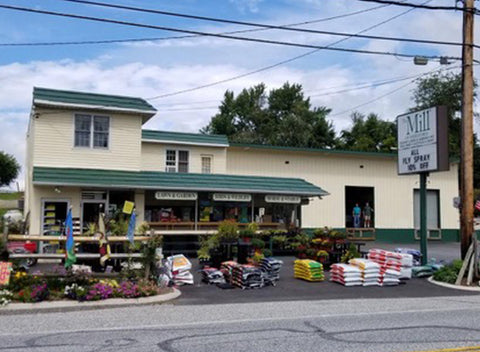
At The Mill, every growing season is an opportunity to plant with purpose. Whether customers are planting their very first row or expanding a backyard garden, success begins with knowledge. The Mill Veggie Knowledge Center brings together expert guidance on four garden staples: potatoes, asparagus, onions, and garlic.
Each crop has its own timing, spacing, fertility needs, and harvest practices. When planted correctly and supported with quality compost, balanced fertilizer, and proper soil preparation, these vegetables reward gardeners with reliable yields and incredible flavor.
Growing Potatoes: Variety, Timing, and Yield
Start with Certified Seed Potatoes
Certified seed potatoes typically come from Maine, and arrival timing depends on seasonal weather. Each tuber contains small protrusions called “eyes.” These eyes produce the shoots.
Seed potatoes can be planted whole or cut into pieces, provided each piece contains at least one eye. Cut pieces the night before planting and allow them to dry to prevent fungal issues. If disease pressure is a concern, dip cut surfaces in sulfur powder and allow them to dry before planting.
When and How to Plant
Many gardeners plant potatoes close to St. Patrick’s Day. Potatoes prefer cool, moist soil. Soil that is too wet may cause rot, but light frosts are generally not a problem. Even if tops blacken from frost, roots usually remain healthy.
Planting guidelines:
-
Depth: 3 inches
-
Spacing: 9–12 inches apart
-
Row spacing: 3 feet apart
-
Location: Full sun
-
Soil: Well-draining
Yield Expectations
-
1 lb of seed potatoes equals 5–8 medium tubers
-
1 lb plants 10–12 feet of row
-
10 feet of row yields about 10 lbs of potatoes
-
5 lbs yields approximately 50 lbs
-
8 lbs plants a 100-foot row
Popular Potato Varieties
-
Russet: Starchy, excellent for baking and mashing
-
Cobbler: White, semi-starchy, good keeper
-
Katahdin: Great for baking, boiling, and fries
-
Norland: Red-skinned, ideal for salads and roasting
-
Red Pontiac: Thin-skinned, versatile
-
Yukon Gold: All-purpose yellow-fleshed favorite
-
Kennebec: Medium starch, excellent for frying
-
Superior: Excellent storage variety
-
Adirondack Blue: Waxy-starchy, colorful option for salads and mashing
Asparagus is planted as crowns or bare roots. Crowns should be kept slightly moist until planting. Popular male varieties such as Jersey Knight, Apollo, and Jersey Giant often produce thicker spears. Martha Washington and Purple Passion are sweet and reliable performers.
Bed Preparation and Planting
Plant April 1 through May 15 when soil temperatures reach about 55 degrees. Avoid cold, wet soil.
Planting guidelines:
-
Dig a furrow 5–6 inches deep
-
Line with compost
-
Space crowns 12 inches apart
-
Rows 2–3 feet apart
-
Cover crowns and gradually hill as they grow
-
Do not compact soil
Side dress with 10-10-10 fertilizer after about 6 weeks.
Harvest Timeline
-
Year 1: Do not harvest
-
Year 2: Harvest lightly
-
Year 3 and beyond: Harvest fully
Spears emerge in 2–3 weeks. Harvest daily for 6–8 weeks once established. Each mature crown may yield about ½ lb daily.
Stop harvesting when plants begin to fern out in mid-June. Allow ferns to mature and turn brown before cutting back in late fall.
Common Issues
The asparagus beetle feeds during warm daylight hours. Larvae appear as small yellowish caterpillars. Adults are spotted beetles in brown or red tones. If populations increase, treat with Spinosad or Neem in early morning or late afternoon.
Onions can be planted once soil is workable in early spring. They require full sun, consistent moisture, and regular fertility.
Planting Guidelines
-
Depth: 1 inch
-
Spacing: 4 inches apart
-
Soil: Loamy and compost-rich
-
Maturity: 70–80 days
Side dress with 10-10-10 every two weeks at a rate of ½ cup per 10 feet of row.
Stop fertilizing once bulbs begin swelling and allow the bulb to fill out.
Companion Planting
Plant near:
-
Lettuce
-
Spinach
-
Peppers
-
Tomatoes
Avoid planting near:
-
Peas
-
Beans
-
Asparagus
Types of Onions
-
Yellow and White Sets: Classic slicing onions
-
Purple Sets: Slightly sweeter
-
Onion Starts: Often sweet varieties such as Walla Walla, Texas Sweets, and Candy
-
Scallions: Harvested young and eaten whole
Harvest and Storage
When tops fall over and begin turning yellow:
-
Pull onions
-
Cure by laying out on racks or hanging
-
Once dry, trim tops
-
Store in a cool, dry location
Onions may bolt if soils become too warm in early summer. Bolted onions should be discarded.
Garlic thrives in full sun and organically amended, well-draining soil. Compost is essential, as garlic is a heavy feeder.
Hardneck Garlic
Hardneck or winter-hardy varieties are best planted mid to late October. They produce a central stalk and edible scapes, which should be removed to direct energy into bulb production.
Planting guidelines:
-
Break bulbs into cloves and leave skins intact
-
Plant 2 inches deep
-
Space 4–6 inches apart
-
Mulch lightly with straw to prevent heaving
Fertilize with a water-soluble fertilizer when shoots reach 6 inches tall.
Hardneck varieties mature in approximately 250–270 days and are prized for their unique flavor profiles.
Softneck Garlic
Softneck garlic is often planted in spring and is commonly found in grocery stores. It does not produce scapes and has smaller cloves clustered together.
Plant similarly to hardneck but without straw mulch. Fertilize when shoots are 6 inches tall.
Harvest and Storage
Both types are typically lifted in July. Cure by laying out or hanging from stems. Once tops turn yellow in about two weeks:
-
Trim stems
-
Store in a cool, dry place
Softneck garlic may store 6–9 months. Hardneck garlic typically contains 4–6 large cloves surrounding a central stem.
Growing Success Starts with Preparation
Healthy vegetables begin with healthy soil. Compost, balanced fertilizers such as 10-10-10, proper spacing, and consistent watering practices make all the difference. The Mill carries certified seed potatoes, asparagus crowns, onion sets, garlic, compost, fertilizers, and soil amendments to support every stage of the growing process.
From cool spring soil to midsummer harvest, every vegetable has its season. With the right timing and knowledge, gardeners can enjoy productive yields year after year.
For more expert advice, visit your local The Mill location or explore additional gardening resources at themillstores.com.